




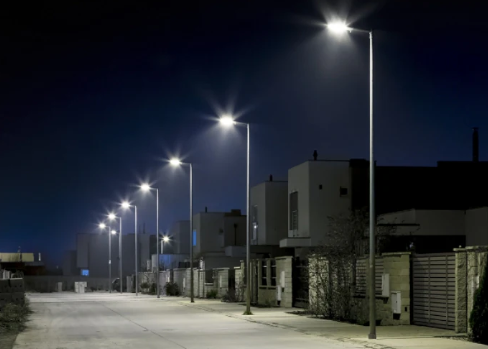
The industrial, commercial, and outdoor lighting business involves the design, manufacturing, and distribution of lighting solutions for diverse applications, ranging from factories and warehouses to offices, retail stores, and outdoor spaces like streets and sports arenas. This sector caters to various industries, ensuring energy efficiency, safety, and enhanced aesthetics for both indoor and outdoor environments.
Key Segments in the Lighting Business
- Industrial Lighting
- Applications: Factories, manufacturing plants, warehouses, and other heavy-duty facilities.
- Lighting Types: High bay and low bay lights, explosion-proof lighting, LED floodlights, and task-specific lighting.
- Focus: Durability, high efficiency, and ability to withstand harsh environments, ensuring employee safety and compliance with industrial regulations.
- Commercial Lighting
- Applications: Offices, retail spaces, shopping malls, hospitals, hotels, and educational institutions.
- Lighting Types: LED panels, downlights, spotlights, recessed lights, and track lighting.
- Focus: Energy efficiency, aesthetics, and comfort, providing well-lit environments that enhance productivity and customer experience.
- Outdoor Lighting
- Applications: Streets, parking lots, public parks, sports arenas, and building exteriors.
- Lighting Types: Streetlights, floodlights, pathway lights, and area lighting.
- Focus: Public safety, visibility, and energy efficiency, often utilizing smart lighting systems and solar-powered solutions.
Market Drivers
- Energy Efficiency and Sustainability: With growing concerns over energy consumption and environmental impact, LED lighting has become the dominant technology. Governments and industries are pushing for sustainable lighting solutions that reduce energy use and carbon footprints.
- Smart Lighting Solutions: Advancements in IoT (Internet of Things) and automation have led to the rise of smart lighting systems that offer remote control, dimming options, motion sensors, and integration with building management systems, improving energy management and user experience.
- Regulations and Standards: Various national and international regulations mandate energy-efficient lighting systems in industrial, commercial, and public sectors, spurring demand for upgraded lighting solutions.
- Urbanization and Infrastructure Development: As urbanization grows, especially in developing economies, the need for public infrastructure such as roads, airports, and commercial spaces is driving demand for outdoor and commercial lighting systems.
Competitive Landscape
The industrial, commercial, and outdoor lighting industry is highly competitive and includes both global players and regional manufacturers. Key companies in this sector focus on innovation, energy efficiency, and long-term durability of their products. Some of the prominent names include:
- Philips Lighting (Signify): A leader in energy-efficient lighting systems, offering solutions across industrial, commercial, and outdoor sectors.
- Acuity Brands: Known for its comprehensive lighting portfolio and smart lighting solutions.
- Osram: Focused on high-tech lighting systems and smart building solutions.
- Cree Lighting: Specializes in LED solutions for industrial and outdoor lighting.
Emerging Trends
- LED Dominance: LED technology continues to dominate the market due to its superior energy efficiency, longer lifespan, and reduced maintenance costs compared to traditional lighting.
- Human-Centric Lighting (HCL): In commercial settings, lighting is increasingly designed to mimic natural daylight patterns, supporting human circadian rhythms and boosting productivity and well-being in office environments.
- Solar-Powered Outdoor Lighting: Especially for outdoor lighting applications, solar-powered lighting is gaining traction, offering energy savings and reducing the need for extensive electrical infrastructure.
- Integration with Smart Cities: Outdoor lighting systems are increasingly being integrated into smart city initiatives, where lighting adapts based on environmental conditions and traffic, contributing to energy efficiency and urban safety.
Challenges
- Initial Costs of LED Upgrades: Although LED lighting offers long-term savings, the high upfront costs can be a barrier for small businesses or municipalities.
- Technological Obsolescence: As technology advances, companies in the lighting business need to constantly innovate to stay competitive, which can lead to high R&D and operational costs.
- Competition from Low-Cost Manufacturers: The influx of cheaper lighting products from low-cost manufacturing countries poses a challenge for premium manufacturers to maintain their market share.
Future Outlook
The industrial, commercial, and outdoor lighting business is expected to grow steadily as businesses, governments, and homeowners continue to adopt energy-efficient, smart, and sustainable lighting solutions. The global shift toward LED technology, alongside the rise of smart cities and sustainability initiatives, will shape the future landscape of this industry, providing opportunities for both established players and emerging companies.
You’re not only opting for superior lighting products but also gaining a trusted partner dedicated to ensuring your project’s success. Let us illuminate your path with innovative, sustainable, and cost-effective lighting solutions that will stand the test of time.

Finance Economy Always High Rate Growth
Ahen an unknown printer took a galley of type andsc rambled it to make a type specimen book has surivaroled it to make a type specimen book.
- Acepteur sintas haecat sed non duiy
- Proident sunt culpa sed ipsum tempor sed
- Ut enim ad minim venercitation
Ahen an unknown printer took a galley of type andsc rambled it to make a type specimen book has suriverled it to make a type specimen book. Aook a gallerambled it to make a type specimen.


3 Comments