


Introduction to a Solar Powered Industry!!
Factories and warehouses typically consume large amounts of electricity. Because these facilities are so large, they require more energy for lighting, temperature control and production equipment. This high energy usage is a significant contributor to operating expenses.
To bring these energy costs down, many companies harness the power of renewable energy by adding solar panels to their factory and warehouse roofs. Installing a solar system for your factory allows these facilities to produce their own power on-site for free.
At Nouran Consortium Bangladesh, we design, build and install customized solar energy systems for factories and warehouses any where in Bangladesh.
Can Warehouses & Factories Run On Solar Power?
Yes, warehouses and factories can run on solar power! These facilities may gain many advantages from switching to solar. Here are some of the notable benefits of warehouse solar panels.
Reduced Energy Costs
Factories and warehouses can run a large portion of their facility on solar power. Once your solar system is installed, our warehouse or factory will gain energy independence by producing its own electricity and using little to no electricity from the national electric grid, saving your business a considerable amount of money over time.
Peak Shaving and Protection Against Increased Energy Costs
Solar energy is a fixed-cost solution. By adding solar panels to the roof of your warehouse or factory, you can protect your business from volatile utility costs. If electricity prices increase, your business will be minimally affected.
Environmental Benefits
Electricity from the grid is generated by burning fossil fuels. This process releases harmful pollutants like carbon dioxide into the air, leading to health and environmental concerns. The U.S. Environmental Protection Agency (EPA) reports that electricity production creates the second-largest share of greenhouse gas emissions, which cause climate change.
Solar power is a clean energy alternative that helps reduce greenhouse gas emissions and improve air quality. It’s also a renewable energy source, so it will never run out. Installing solar on your warehouse or factory roof demonstrates corporate social responsibility and lowers your carbon footprint.
Less Maintenance
A solar system requires minimal maintenance to keep in good condition. With basic cleaning a few times a year, your solar panels will last for many years to come.
Reliability
A solar energy system provides decades of dependable power with an average life span of 25 to 30 years. Solar panels are also less susceptible to damage from wear and tear because they do not have any moving parts. As a result, you can expect little to no repairs.
Warehouses and Factories Are Ideal for Solar Panels
A typical warehouse or factory roof is the perfect landscape for a solar system. These roofs are usually large and flat with ample room for solar panel installation. They are also high enough off the ground that they get unobstructed sun exposure. With a large coverage area, your solar system can offset more energy costs and provide a rapid return on investment.
Thanks to the federal investment tax credit (ITC), you may be able to deduct some of the cost of installing a solar system, resulting in even more cost savings for your business.

What are the types of solar power plants?
Investing in solar energy is a great way to switch to renewable resource consumption. You can take steps to operate a sustainable business in the long run based on the solar panels you choose. However, there are several different types of solar power plants across the country. Each one is designed with specific considerations in mind depending on the geography, location of the panels, and the environment.
Learn more about the different types of solar panels and when they are used. This can help you make more informed choices about your solar investment in the future.
Photovoltaic (PV) solar power plants :Photovoltaic solar power plants convert sunlight directly into electricity. These plants are made up of individual cells that produce one to two watts of power. While one cell might seem insignificant, thousands of cells can produce an impressive amount of power over the course of a day. This is why cells are usually grouped into panels or modules. These panels come in a variety of sizes and can be used by commercial businesses, residential homeowners, and utility companies that create solar farms.
1. Rooftop solar plants
Roof-mounted solar panels are some of the most commonly found renewable power plants. You can see these panels just by driving around your neighborhood or visiting local businesses and industrial centers.
These panels are installed on either a flat or angled roof in a way that maximizes their exposure to the sun. The placement of these panels keeps them out of the way and makes them usable by almost any organization. Businesses don’t need large campuses to install solar systems. Some companies and homeowners also like these panels because they are less visible and don’t distract from the architecture of the building.
2. Ground-mounted solar plants
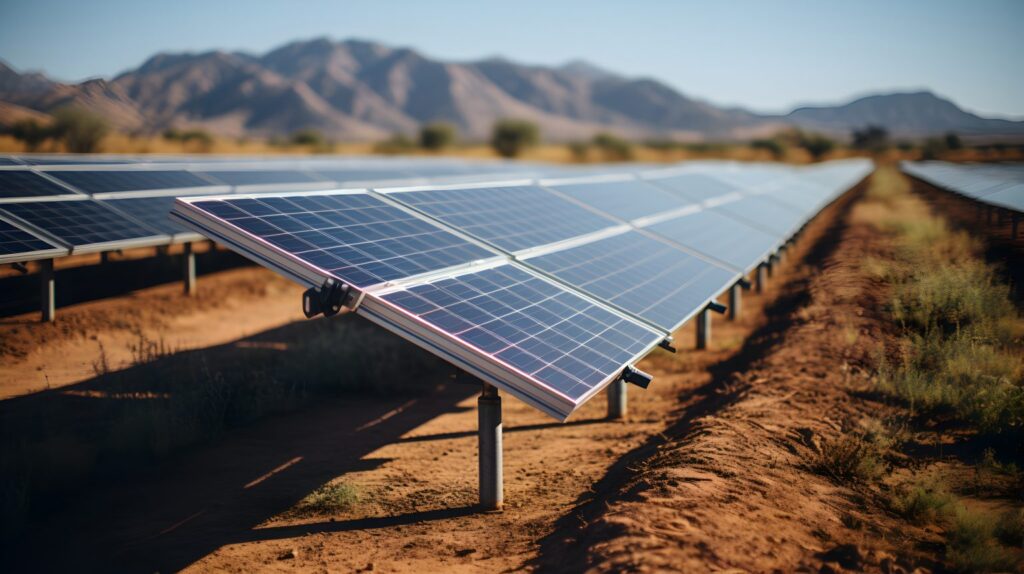
Not every roof can handle solar panels and there are times when an organization might want to produce more solar energy than roof panels can generate. If this is the case, a business or homeowner might opt for ground-mounted panels. These panels are secured to the ground while generating energy for nearby homes or businesses.
These systems are flexible when it comes to the different types of terrain they can be built on. It is possible to install them on hillsides with the right stabilizing materials. Installation teams often prefer sturdy terrain that can support the panels in the long run. Rocky terrain and clay are often preferred to sandy surfaces.
3. Floating solar plants
This third option is ideal if you live near a body of water. The floating panels rest on platforms that bob on the surface of the water and generate energy throughout the day. These panels can be placed in retention ponds, reservoirs, and other bodies of water.
One of the main challenges with this option is ensuring the panels survive rough water. While they can handle the occasional waves, these panels have yet to survive ocean conditions. The rough seas and potential for major storms could potentially destroy them.
HOW WE CAN HELP…?
At Nouran Consortium Bangladesh, we specialize in solar panel installation for manufacturing companies. We’ll design a custom system that meets all your requirements and get it installed on time and within budget. As Renewable energy concerned business, you can trust our engineers and installers to deliver a flawless solar solution that saves your warehouse or factory money and contributes to a healthier environment.


