




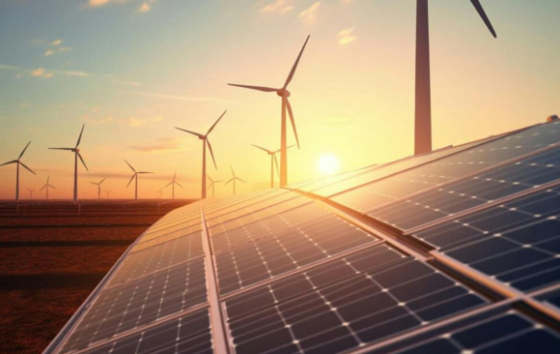
Electrical and Renewable Energy Solutions systems technologies, and services that provide sustainable, efficient, and eco-friendly energy alternatives. These solutions focus on harnessing both conventional electrical energy and renewable energy sources like solar, wind, hydro, and geothermal to meet growing energy demands while reducing environmental impact.
Key Components:
- Electrical Energy Solutions:
- Power Distribution Systems: Design and installation of systems that ensure safe and efficient power distribution, including transformers, substations, and circuit protection.
- Energy Management Systems: Tools to monitor, control, and optimize energy usage, reducing waste and improving efficiency in residential, commercial, and industrial applications.
- Automation and Control: Integration of automated systems for lighting, heating, and machinery, allowing for efficient energy use and reducing operational costs.
- Renewable Energy Solutions:
- Solar Power: Solar panels (photovoltaic systems) convert sunlight into electricity, reducing reliance on fossil fuels. Solar water heating systems also utilize solar energy for domestic and industrial use.
- Wind Power: Wind turbines convert the kinetic energy of wind into electricity. This is commonly used in large wind farms but can also be scaled for residential use.
- Hydropower: Small or large-scale hydroelectric systems use the energy of flowing water to generate electricity, a highly efficient and long-established renewable energy source.
- Geothermal Energy: Taps into the Earth’s heat to produce electricity or provide direct heating solutions. It is especially useful in areas with geothermal activity.
Benefits of Electrical and Renewable Energy Solutions:
- Sustainability: Reduces carbon footprint and reliance on non-renewable resources, contributing to environmental conservation and climate change mitigation.
- Cost-Effectiveness: While the initial setup can be costly, renewable energy solutions often lead to long-term savings on energy bills and operational costs.
- Energy Independence: Provides the potential for regions or businesses to generate their own energy, reducing dependency on external sources and improving energy security.
- Technological Innovation: Constant advancements in energy storage, smart grids, and energy-efficient appliances enhance the performance and adoption of these solutions.
Applications:
- Residential: Solar panels, battery storage systems, and home energy management systems for powering homes.
- Commercial and Industrial: Large-scale renewable installations, energy-efficient automation systems, and advanced grid solutions for cost-effective energy use.
- Agriculture: Renewable energy technologies, such as solar irrigation and wind-powered pumping systems, for sustainable farming operations.
- Public Infrastructure: Renewable energy systems powering schools, hospitals, transportation, and public lighting to promote green cities.
These solutions contribute to a cleaner, more sustainable future by ensuring the efficient generation, distribution, and use of energy.
Quis nostrud exercitation ullamco laboris nisi ut aliquip ex ea comod duietys aut irure dolor reprehenderit voluptate velit esse cillum dolore fugia treat you eaxcepteur sint occaecat cupidatat non proident.

Finance Economy Always High Rate Growth
Ahen an unknown printer took a galley of type andsc rambled it to make a type specimen book has surivaroled it to make a type specimen book.
- Acepteur sintas haecat sed non duiy
- Proident sunt culpa sed ipsum tempor sed
- Ut enim ad minim venercitation
Ahen an unknown printer took a galley of type andsc rambled it to make a type specimen book has suriverled it to make a type specimen book. Aook a gallerambled it to make a type specimen.


