


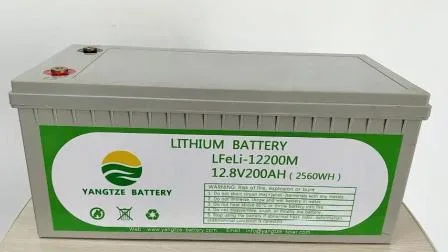
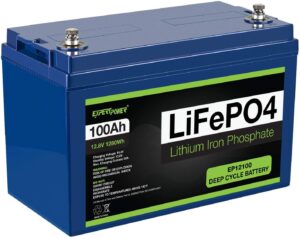
LiFePO4 Batteries
LiFePO4 (Lithium Iron Phosphate) solar batteries have been argued to be the best types of batteries used in solar power systems. They are a type of lithium battery that uses LiFePO4 as the cathode material, which offers several advantages over other types of lithium batteries.
Pros:
- High energy density: LiFePO4 batteries have a high energy density, which means they can store a lot of energy in a small and light package. This makes them ideal for use in portable electronic devices and solar energy systems.
- Long cycle life: LiFePO4 batteries have a long cycle life, which means they can be charged and discharged many times without degrading their performance.
- Temperature resilience: LiFePO4 batteries can operate at a wide range of temperatures without suffering from significant degradation in performance.
- Safety: LiFePO4 batteries are considered safer than lithium-ion batteries, as they are less prone to overheating or catching fire. This is due to their stable chemistry and the use of non-flammable electrolytes.
- Fast charging: LiFePO4 batteries can be charged quickly and efficiently, which makes them a convenient option for portable devices and solar energy systems that need to be charged quickly.
Cons:
- Cost: LiFePO4 batteries are typically more expensive than other types of batteries, such as lead-acid batteries. However, they offer a longer cycle life and higher energy density, making them more cost-effective in the long run.
- Lower voltage: LiFePO4 batteries have a lower voltage than other types of batteries, such as lead-acid batteries. This means that more batteries may be needed to achieve the same voltage level, which can increase the overall cost and complexity of the system.
Best for: LiFePO4 batteries are best for portable solar power systems, backup power, EV, and other solar energy applications.
Lithium-ion Batteries
A lithium-ion solar battery typically consists of several
lithium-ion cells connected in series or parallel to increase the voltage or
capacity. It is designed to store the energy generated by solar panels during
the day and release it when needed.
Pros:
- High
Energy Density: Lithium-ion batteries can store much energy in a small
space, making them ideal for use in solar power systems where space is
limited. - Longer
Lifespan: Lithium-ion batteries have a longer lifespan. Depending on
usage, they can last up to 10 years or more. - Fast
Charging: Lithium-ion batteries can be charged quickly, which is
beneficial for solar power systems, as it allows for quicker charging
times during periods of low sunlight. Also, they do not have any memory
effect, meaning they do not need to be fully discharged before recharging.
Cons:
- Safety
Concerns: Lithium-ion batteries can be dangerous if they are not used and
stored correctly. If they are damaged or punctured, they can catch fire or
explode. - Temperature
Sensitivity: Lithium-ion batteries are sensitive to temperature changes,
and if they get too hot or too cold, their performance can be affected,
and they can even be damaged. - Recycling
Challenges: Lithium-ion batteries can be difficult and expensive to
recycle, leading to environmental concerns and issues with waste
management.
Best for: Lithium-ion batteries are lightweight and
portable, making them ideal for applications where mobility is required.
Lead acid Batteries
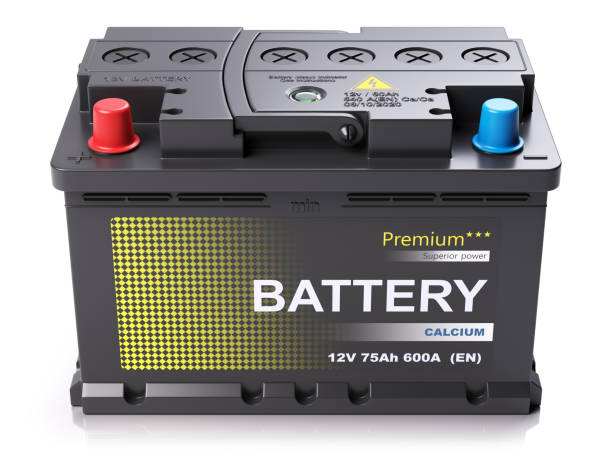
Lead-acid battery types for solar systems comprise lead plates and an electrolyte solution of sulfuric acid, which reacts with the lead plates to produce a flow of electrical current. They are usually low-cost. Hence they are a popular battery in use for different applications.
Lead-acid batteries come in two main types: flooded and sealed.
Flooded lead acid battery for solar power
Flooded lead-acid batteries are a type of rechargeable battery commonly used in solar power systems. They are called “flooded” because they contain a liquid electrolyte solution of sulphuric acid that floods the lead plates inside the battery.
Sealed lead acid battery for solar system
Sealed lead-acid, otherwise known as SLA batteries, are types of solar batteries that can be used in solar power systems. They are called “sealed” because they are designed to be completely closed and do not require regular checking of the water levels or cleaning of the battery terminals.
The other type of sealed lead-acid battery is a gel solar battery. Gel type battery for solar is one of the best types of lead acid battery used in solar systems. The silica gel in deep-cycle gel batteries suspends in the sulfuric acid, giving the battery greater stability.
Pros:
- Affordability: Lead-acid batteries are one of the most affordable options for solar power storage. They are widely available and have been used for decades in many different applications, making them popular for business operations, especially small businesses.
- Safety: While the flooded lead acid batteries might not be safe because they are prone to spillage, gel type solar battery is considered safe to use because they do not contain any liquid electrolyte. Therefore, there is no risk of leakage or spillage.
- Recyclability: Lead-acid batteries are highly recyclable and can be reused for many applications. Many lead-acid batteries contain up to 80% recycled lead.
- Reliability: These batteries have a long track record of reliable performance, which explains why they are a popular choice for critical applications.
- Temperature adaptability: Lead-acid batteries can handle extreme temperatures, making them suitable for use in both hot and cold climates.
Cons:
- Limited lifespan: Lead-acid batteries have a limited lifespan and typically last 3-5 years.
- Maintenance: Flooded lead-acid batteries require regular maintenance, including checking the water levels and cleaning the battery terminals. Solar battery gel type and sealed lead-acid batteries require lesser maintenance.
- Slow charging and discharging: Lead-acid batteries charge and discharge more slowly than some other types of batteries used for solar systems.


